Why Dental Injuries Look Minor but Often Hide Serious Damage Underneath
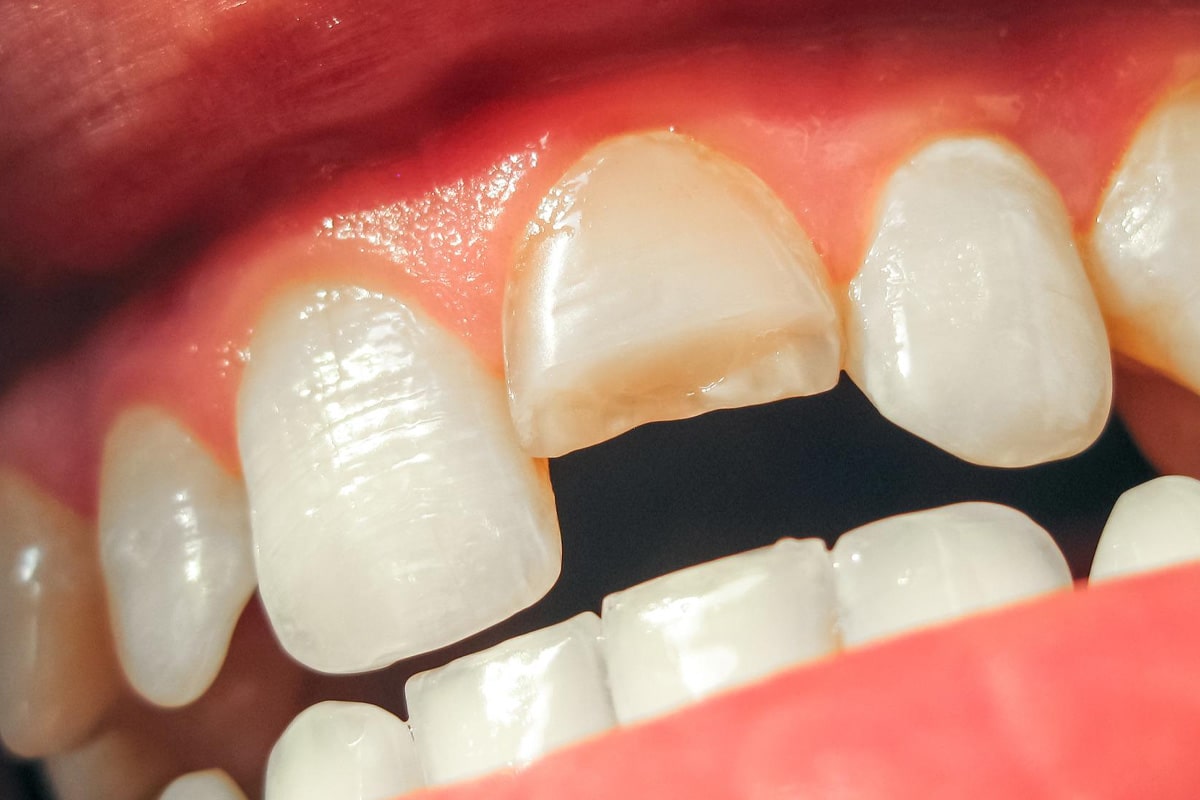
A knocked tooth, a hard collision during sport, a fall that leaves nothing but a small chip visible in the mirror. The instinct in most of these situations is to assess by appearance. If the tooth looks intact, if there is no dramatic bleeding, if the pain settles within a few hours, the conclusion tends to be that things are fine and no further action is needed.
That conclusion is wrong often enough to matter. Dental injuries are one of the more deceptive categories of trauma the body experiences, because the visible surface frequently tells very little about what has occurred in the structures underneath. The damage that causes the most long-term problems is often the damage that cannot be seen at all.
The Gap Between Visible Damage and Structural Damage
The part of the tooth that is visible above the gum line is only a portion of the whole structure. Below the surface sits the root, which extends into the jawbone and is held in place by a network of fibres called the periodontal ligament. The nerve and blood supply run through the root canal at the centre of the tooth, connecting the pulp chamber to the surrounding tissue.
A blow to the mouth can affect any or all of these components without producing obvious visible damage. The crown of the tooth may look perfectly intact while the root has sustained a fracture, the nerve has been traumatised, or the periodontal ligament has been disrupted. In each of these cases, the injury is real and consequential, but it presents with little or nothing that the person can identify from looking in the mirror.
This gap between surface appearance and structural reality is what makes dental trauma consistently underestimated. People apply the same logic they use for a bruised knee or a cut finger, where visible signs roughly correspond to severity. With dental injuries, that logic does not reliably hold.
Root Fractures, Nerve Trauma and What an X-Ray Reveals
Root fractures are among the most commonly missed dental injuries. They occur when the force of an impact is transmitted through the crown and into the root, creating a crack that may be horizontal, diagonal, or vertical depending on the direction and severity of the force. These fractures are invisible to the naked eye and produce symptoms that are easy to dismiss in the short term: some tenderness, mild sensitivity, perhaps slight discomfort when biting. None of these symptoms necessarily feel like an emergency.
Nerve trauma is similarly understated in its early presentation. A tooth that has sustained a significant impact may experience what is called pulp concussion, where the nerve tissue inside the tooth is damaged but the tooth remains alive. In the weeks or months following the injury, the pulp may begin to die without the person experiencing significant ongoing pain. The first indication that something has gone wrong is sometimes a darkening of the tooth, which reflects internal breakdown, or an abscess that develops as dead tissue becomes infected.
X-rays are the only reliable way to assess what has occurred below the gum line. They reveal root fractures, changes in the bone surrounding the tooth, abnormalities in the root canal, and the presence of any infection developing in the tissue. An assessment without imaging is an incomplete assessment, regardless of how intact the tooth appears on the surface.
What Happens to Untreated Dental Injuries Over Time
The pattern of untreated dental trauma tends to follow a consistent trajectory. In the absence of treatment, the initial injury creates conditions in which secondary problems develop progressively.
A root fracture that is not stabilised or monitored may propagate further, eventually making the tooth unsalvageable. Nerve damage that is not identified may advance to pulp necrosis, where the tissue inside the tooth dies and the canal becomes a site for bacterial growth. This creates chronic infection that affects the surrounding bone and can, in some cases, have implications for adjacent teeth.
A tooth that has been displaced by impact and not repositioned promptly will often fail to reattach properly, leading to mobility, bone loss, or loss of the tooth itself. Even a tooth that appears to have returned to its normal position without intervention may have sustained ligament damage that compromises its long-term stability.
None of these outcomes are inevitable, but they are significantly more likely when an injury is assessed purely by what is visible and treated accordingly.
The Narrow Window Where Treatment Is Most Effective
Timing is one of the most critical variables in dental injury outcomes, and it operates on a shorter timescale than most people appreciate.
A tooth that has been completely knocked out, known clinically as an avulsed tooth, has the best chance of survival if it is replanted within thirty minutes of the injury. After an hour, the likelihood of successful reattachment drops substantially. The condition of the periodontal ligament cells on the root surface deteriorates rapidly once the tooth is out of its socket, and these cells are essential to the reattachment process.
For displaced or loosened teeth, prompt repositioning and stabilisation give the surrounding ligament and bone the best opportunity to recover. The longer a tooth sits in an incorrect position, the more difficult repositioning becomes and the greater the potential for permanent damage to the supporting structures.
For nerve trauma and root fractures, early assessment means earlier intervention if treatment is needed, and closer monitoring if the situation warrants a watchful approach. In both cases, knowing what you are dealing with is better than not knowing, regardless of what the next step turns out to be.
When to Contact an Emergency Dentist and Why Timing Matters
The threshold for seeking emergency dental care after an injury should be lower than most people set it. If there has been a direct impact to the mouth, if a tooth has moved, if there is more than minimal pain, if a tooth has been chipped in a way that suggests a larger fracture is possible, or if a tooth has been knocked out entirely, these are all situations that warrant same-day assessment.
A qualified emergency dentist in Sydney can provide the clinical examination and imaging needed to determine the actual extent of the injury, not just what the surface suggests. That assessment may result in immediate treatment, a structured monitoring plan, or in straightforward cases, reassurance that no intervention is currently required. What it always provides is an accurate picture of the situation, which is the only reliable basis for any decision about what to do next.
Waiting to see whether symptoms develop is a reasonable approach for many health concerns. For dental trauma, it is an approach that frequently allows the window for effective treatment to close before anything is done.
Acting Fast Protects More Than Just Your Tooth
The case for prompt action after a dental injury is not only about saving a single tooth, though that is reason enough. It is about the downstream consequences that flow from injuries that are not properly assessed and managed.
Untreated dental trauma can lead to chronic infection, bone loss, the failure of adjacent teeth, and in some cases, more significant oral health complications that require extensive and expensive intervention to address. A visit to an emergency dentist in the hours after an injury is, in most cases, a straightforward appointment. The alternative, months or years later, is frequently anything but.
The damage that cannot be seen is the damage that does the most lasting harm. Treating a dental injury seriously, even when the surface looks fine, is not overcaution. It is simply an accurate response to how these injuries actually behave.