Vertical Victory: How Warehouse Pallet Racks Transform Inventory Management Efficiency
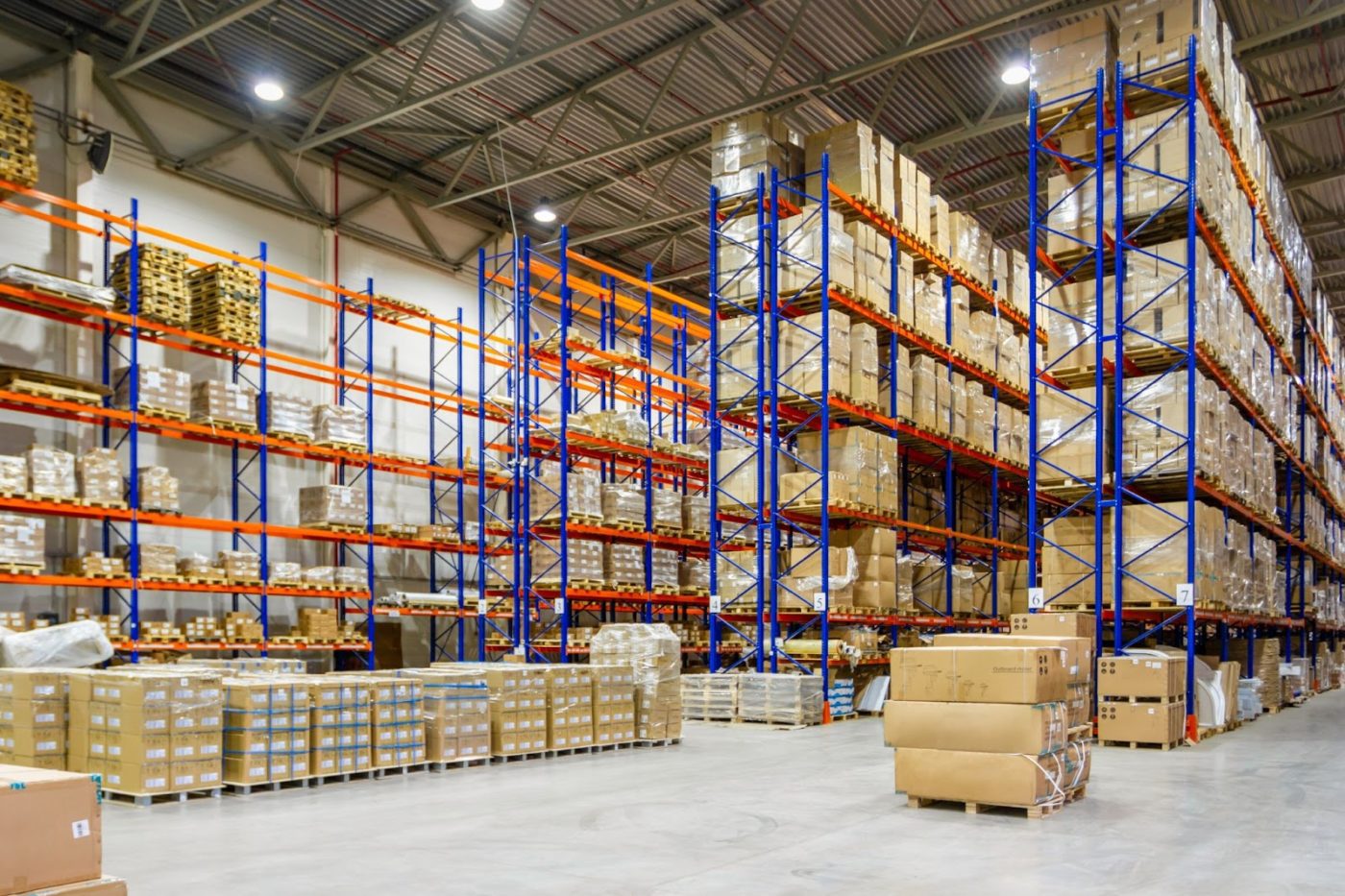
In the fast-paced world of logistics and supply chain management, the floor of a warehouse is often the most expensive piece of real estate a company owns. As businesses grow and inventory levels fluctuate, the challenge of managing space while maintaining speed becomes a critical factor for success. Without a strategic approach to storage, a warehouse can quickly become a bottleneck of cluttered aisles, misplaced products, and safety hazards. The introduction of warehouse pallet racks systems changed the landscape of material handling by allowing warehouses to expand upward rather than outward. Beyond just providing a place to put things, modern pallet racks serve as the structural backbone of an efficient inventory management system, directly impacting everything from pick times to stock accuracy.
Enhancing Accessibility and Picking Speed
The efficiency of a warehouse is often measured by its picking speed, which is the time it takes for an operator to locate, retrieve, and prepare an item for shipping. In a floor-stacked warehouse, items are often buried behind other pallets, requiring workers to move multiple loads just to reach the one they need. This double-handling is a major drain on labor resources. Pallet racks, particularly selective racking systems, provide immediate access to every single pallet in the system. Because each pallet is visible and accessible from the aisle, forklift operators can pull exactly what they need in a single move.
This direct access is vital for maintaining a high turnover rate. When workers don’t have to search through piles or move obstructions, the number of orders fulfilled per hour increases significantly. Furthermore, racking systems can be integrated with warehouse management software to optimize the picking route. By assigning specific coordinates to every beam and upright, the system can guide operators through the shortest possible path to their destination. This synergy between physical infrastructure and digital management is what allows modern distribution centers to handle thousands of orders with surgical precision.
Improving Stock Accuracy and Inventory Control
Accurate inventory records are the lifeblood of any successful retail or manufacturing operation. One of the greatest enemies of accuracy is a lack of visibility. When products are stacked in deep rows on the floor, it is easy for older stock to be forgotten at the back, leading to spoilage, obsolescence, or missed sales. Pallet racks provide a structured environment where every SKU has a designated “home.” This clear organization makes it much easier for staff to perform cycle counts and regular audits.
Depending on the specific needs of the business, different racking styles can support different inventory management philosophies. For companies dealing with perishable goods or products with expiration dates, First-In, First-Out (FIFO) systems like pallet flow racks ensure that the oldest stock is always at the front of the line. For high-density storage where date tracking is less critical, Last-In, First-Out (LIFO) systems like push-back racks can be used. By selecting a rack type that aligns with the product’s lifecycle, managers can virtually eliminate the risk of stock loss due to expiration or damage from over-handling.
Protecting Goods and Reducing Product Damage
Inventory is a massive financial investment, and any damage that occurs during storage directly impacts the bottom line. Floor stacking puts immense pressure on the bottom pallets in a stack, often leading to crushed packaging or damaged goods. Additionally, pallets stored on the ground are more susceptible to moisture, dust, and pests. Pallet racks provide a protective environment by distributing the weight of the load onto the steel structure rather than the products below. This ensures that even the most fragile items remain in pristine condition until they are ready to be shipped.
Furthermore, racking systems can be fitted with safety accessories like wire decking, pallet supports, and column guards. Wire decking acts as a safety net, preventing loose boxes from falling between the beams while also allowing for better airflow and fire sprinkler penetration. Column guards protect the structural integrity of the racks from forklift impacts, which are a common occurrence in high-traffic environments. By investing in a robust racking system, a company is essentially buying insurance for its inventory, ensuring that customers receive high-quality products while minimizing the costs associated with “shrinkage” and returns.
Conclusion
The implementation of a professional pallet racking system is a transformative step for any warehouse seeking to move from a state of reactive chaos to one of proactive efficiency. By maximizing vertical space, improving accessibility, and enhancing stock visibility, these systems provide a level of control that floor stacking simply cannot offer. The benefits extend far beyond the warehouse walls, manifesting as faster shipping times for customers, safer environments for employees, and improved profitability for the business.
When inventory is managed with precision, every square foot of the warehouse becomes a tool for growth. While the initial investment in high-quality steel racking requires careful planning and capital, the return on investment is realized through reduced labor costs, lower product damage, and the ability to hold more stock in a smaller footprint. Ultimately, pallet racks are more than just shelves; they are the fundamental building blocks of a modern, resilient, and highly efficient supply chain.