Home Away From Home: Why Furnished Apartments Are the Smarter Choice for Business Travelers
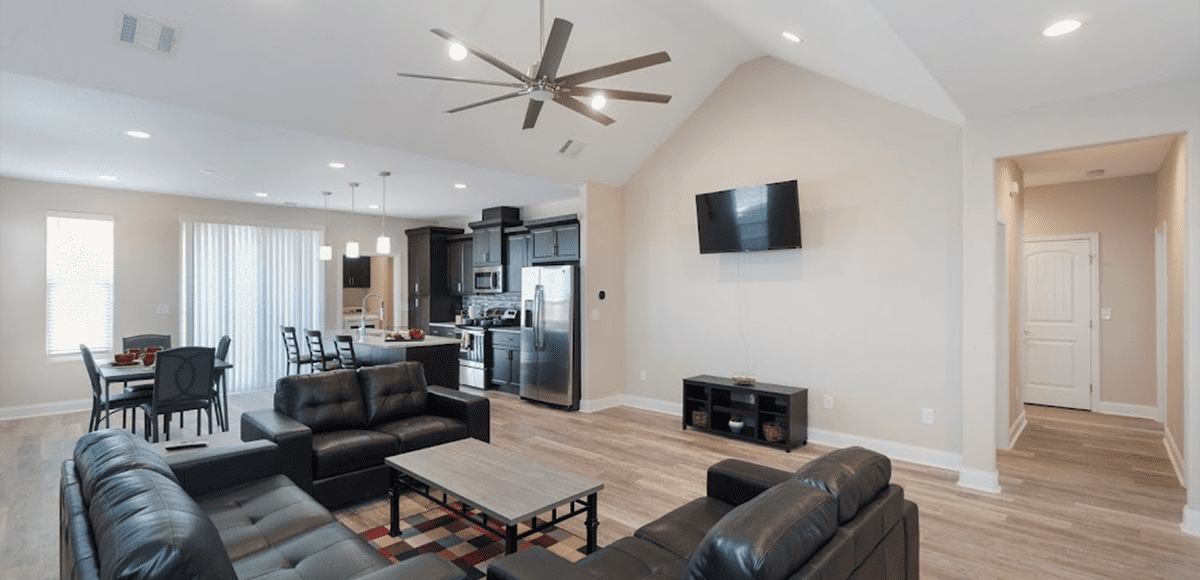
In the fast-paced world of global commerce, the way we travel for work is undergoing a fundamental shift. For decades, the luxury hotel was the undisputed king of business accommodation, offering a sterile yet reliable sanctuary for the road warrior. However, as business assignments grow longer and the focus on employee well-being intensifies, a more practical and human-centric alternative has emerged as the preferred choice for savvy corporations and their employees. Houston furnished apartments, also known as corporate housing or serviced apartments, are no longer just a niche option; they are a strategic tool that balances the bottom line with the mental and physical health of the modern professional.
Space to Breathe and Room to Work
The standard hotel room is designed for sleeping, not living. For a business traveler on a three-week assignment, the four walls of a three-hundred-square-foot room can quickly become a source of “hotel fatigue.” The lack of a separate living area means that the bed often becomes the desk, the dining table, and the sofa, leading to a breakdown in the psychological boundaries between work and rest. This cramped environment is a recipe for burnout and decreased productivity.
Furnished apartments address this by offering a residential layout that often includes double or triple the square footage of a hotel suite. Having a dedicated workspace separate from the bedroom allows the traveler to mentally “clock out” at the end of the day. A separate living room provides space to relax or even host a small meeting with colleagues without the awkwardness of sitting in a bedroom. This extra room to breathe is not just a luxury; it is a functional requirement for maintaining high performance over an extended period.
Health and Routine: The Secret to Long-Term Productivity
Consistency is the cornerstone of professional success, but business travel is notoriously disruptive to personal routines. The erratic hours, lack of healthy food options, and impersonal atmosphere of hotels often lead to a decline in physical and mental health. Furnished apartments offer a “soft landing” that allows travelers to maintain their daily habits. Being able to go to a local grocery store and prepare a healthy breakfast or a familiar dinner provides a sense of normalcy and control that is impossible to find at a hotel buffet.
The residential setting of most corporate housing also contributes to better sleep quality. These apartments are typically located in quieter neighborhoods or dedicated residential buildings rather than bustling tourist hubs. Without the constant noise of hallway traffic, slamming doors, or elevator chimes, travelers can achieve the deep, restorative rest required to tackle complex business challenges. When a traveler feels physically well and mentally grounded, they are more engaged, creative, and resilient—benefits that translate directly to the company’s success.
Seamless Integration and Corporate Relocation
For companies involved in talent acquisition or international expansion, furnished apartments serve as a vital bridge during the relocation process. Moving to a new city is a high-stress event, and expecting a new hire to hit the ground running while living out of a suitcase in a hotel is often unrealistic. Corporate housing provides a stable home base where employees and their families can settle in immediately.
Because these units are move-in ready—complete with linens, kitchenware, and pre-installed high-speed internet—the employee can focus entirely on their new role from day one. This faster assimilation reduces the “onboarding lag” and allows the individual to explore their new city from a position of comfort rather than desperation. For the employer, this translates to higher retention rates and a smoother transition for key personnel, making the investment in premium temporary housing a wise long-term strategy.
Conclusion
The shift toward furnished apartments represents a broader recognition that business travelers are people, not just assets to be stored in a room. By choosing a residential environment, companies are making a dual investment: they are lowering the total cost of travel while simultaneously raising the standard of care for their most valuable resource—their employees. The cost-effectiveness of this model is found not just in the savings on meals and taxes, but in the sustained productivity and well-being of the workforce. As the modern office continues to evolve, the furnished apartment will remain the gold standard for anyone who believes that a productive workday begins with a good night’s sleep in a place that feels like home.