Bridging the Gap: The ADU as a Hub for Multi-Generational Living
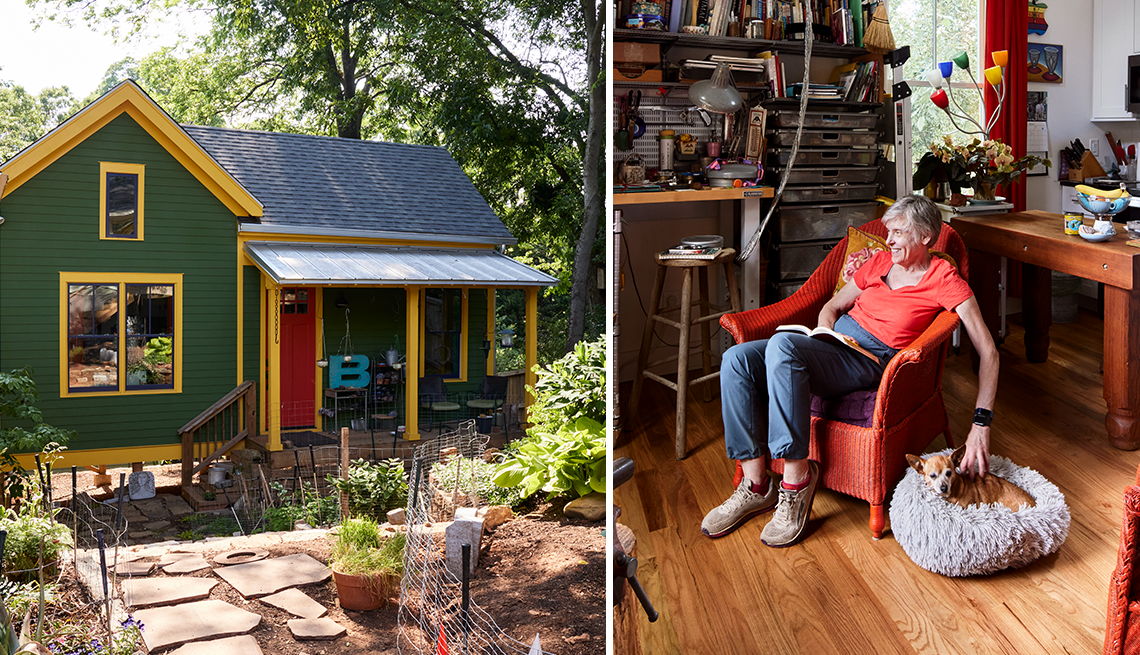
In an increasingly complex world, the family unit remains bedrock of support, love, and shared history. Yet, modern life, with its demands for mobility and individuality, has often physically separated generations. Grandparents, parents, and children frequently live miles, if not continents, apart, making daily connection and mutual support a challenge. In recent years, however, a quiet revolution has been unfolding in backyards and side lots, driven by an innovative and thoughtful architectural solution: the Accessory Dwelling Unit, or adu San Jose CA. These standalone living spaces are doing more than just adding square footage; they are renewing the culture of living together years together with a sense of a home center where the family feels close and helps each other as well as establishes common future in the same home.
The ADU, known by many names—granny flat, in-law suite, casita—has long been a practical solution for housing. But its true potential is being realized as a tool for a more holistic, supportive, and economically sensible way of life. It’s an architectural answer to a societal need, blending independence with proximity in a way that truly brings generations closer.
An Economic and Practical Solution
From an economic perspective, the ADU is a wise investment that addresses some of the most pressing financial concerns of modern families. For young adults, an ADU can serve as a first home, allowing them to save for a down payment while living near family. For parents, it can be a source of rental income, helping to offset the cost of their mortgage.
A sandwich generation, which may also consist of people taking care both of children and elder parents, will find an ADU a good financial solution instead of having to pay high prices of nursing or other care-providing facilities. The cost of building an ADU is often a fraction of the long-term expenses of assisted living, and it provides a more personal, intimate, and loving environment. Furthermore, the ADU itself becomes a valuable asset, increasing the overall property value and offering flexible options for future use, whether as a rental unit, a home office, or a space for a grown child. This practical foresight makes the ADU a smart and sustainable investment for the entire family.
Building a Legacy of Shared Living
Beyond the practical and financial benefits, the ADU as a hub for multi-generational living offers a profound social and emotional return. It allows families to actively participate in each other’s lives in meaningful ways. Grandparents can be more present, sharing their stories, skills, and wisdom with younger generations. Children can grow up with a deep, personal bond with their grandparents, learning invaluable lessons and creating memories that will last a lifetime.
This model allows for the sharing of resources, from childcare and meal preparation to home maintenance and emotional support. It can create a sense of community right at home, a sanctuary from the fast-paced world outside. In an era where families are increasingly isolated, the ADU provides a powerful antidote, building a strong family unit and a lasting legacy of shared living.
Planning and Design for Harmonious Coexistence
The success of an ADU for multi-generational living depends heavily on thoughtful planning and design. Architects and builders are increasingly specializing in creating ADUs that are not just functional but beautiful, blending seamlessly with the main house while maintaining a sense of distinct identity.
Considerations for design include accessibility features like wide doorways and zero-entry showers for aging residents, as well as a floor plan that maximizes natural light and privacy. The placement of the ADU on the property, the orientation of windows, and the design of shared outdoor spaces are all critical elements in ensuring a harmonious coexistence. The goal is to create a living arrangement where both generations feel valued, respected, and at home, each in their own space but always connected by a common thread of family.
Conclusion
The ADU is not just an accessory, it’s game running. It is a powerful tool for bridging the geographical and emotional gaps that have defined modern family life. By offering a perfect blend of independence and proximity, and by providing a practical, economic, and emotionally enriching solution, the ADU is reshaping the way we think about family, home, and community. It is proving that, with a little architectural ingenuity, the traditional values of a close-knit, multi-generational family can thrive once again, right in our own backyards.