Coconut Fiber Shade Sails: A Natural Approach to Outdoor Shading

Introduction to Natural Shade Sail Solutions
Outdoor shading has become an important consideration for residential properties, resorts, restaurants, beach clubs, and commercial spaces. A well-designed shade structure can help reduce direct sunlight, create comfortable outdoor areas, and improve the overall appearance of a property. As interest in natural materials and environmentally conscious design grows, coconut fiber has attracted attention as an option for distinctive outdoor shading solutions.
Bali is well known for its tropical landscapes, outdoor living spaces, and hospitality industry. Many properties combine natural textures, open-air architecture, and landscaping to create inviting environments. Shade structures made with natural fibers can complement this style while providing a visually appealing alternative to conventional synthetic materials.
Choosing an appropriate shade sail requires consideration of the material, installation method, weather exposure, maintenance requirements, and intended use. Understanding these factors helps property owners select a solution that suits both their practical needs and design preferences.
Understanding Coconut Fiber Shade Sails
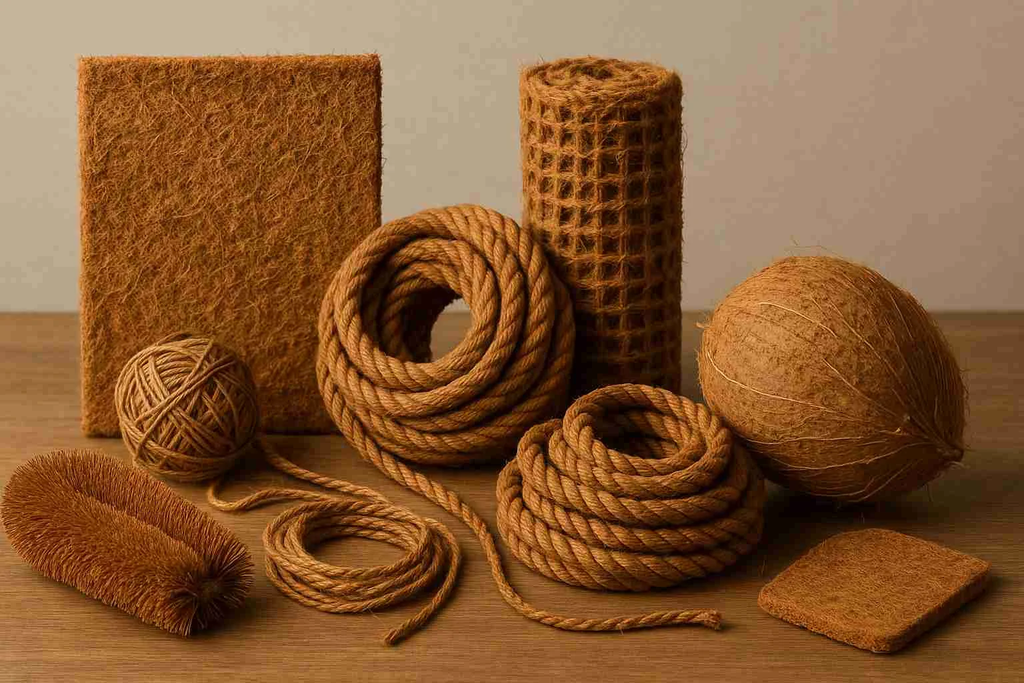
A coconut fiber shade sail is a shade structure that incorporates coconut-derived fibers into its design or construction. Coconut fibers, also known as coir, are obtained from the outer husk of coconuts. These natural fibers are valued for their texture and versatility in products such as ropes, mats, brushes, and selected landscaping materials.
In outdoor design, coconut-based materials can introduce an organic appearance that works well with tropical gardens, wooden furniture, bamboo features, and natural stone. Their distinctive texture can make outdoor spaces feel more connected to the surrounding environment.
However, not every coconut fiber product is suitable for use as a shade sail. A product designed for decorative purposes may have different performance characteristics from a structure intended to provide dependable sun protection. Buyers should confirm the exact construction, weather resistance, and installation requirements before choosing a particular product.
Traditional shade sails are commonly manufactured from specialized fabrics designed to provide shade and withstand outdoor exposure. These products may offer more predictable performance in terms of ultraviolet protection, airflow, and resistance to rain. The most appropriate option depends on whether the priority is natural aesthetics, functional sun protection, or a combination of both.
Why Natural Shading Works Well in Bali
Bali’s tropical environment makes outdoor shading an important feature for many residential and commercial properties. Strong sunlight and warm temperatures can make uncovered terraces, gardens, poolside areas, and dining spaces uncomfortable during certain parts of the day.
Natural-looking shade structures can complement the island’s architectural style. Resorts, villas, cafes, and restaurants often use wood, stone, plants, and textured materials to create welcoming outdoor environments. Coconut-inspired shading can contribute to this aesthetic when it is designed and installed appropriately.
For hospitality businesses, outdoor comfort can influence how guests experience a property. A shaded dining area can make outdoor seating more practical, while a covered garden lounge can provide a relaxing place to spend time. In residential settings, shade structures can help make patios and recreational areas more usable.
Nevertheless, Bali’s weather also presents challenges. Humidity, heavy rainfall, wind, and prolonged sun exposure can affect outdoor materials. Any shade structure should therefore be selected according to its intended location, structural design, and maintenance requirements.
Exploring Coir Shade Sail Bali Options
When researching coir shade sail Bali options, buyers should distinguish between natural coconut fiber products and conventional shade sails available from local suppliers. The terminology may describe different product types, so checking the actual materials and specifications is important before making a purchase.
Natural coir can provide a distinctive appearance for outdoor spaces where texture and an organic design are priorities. It may be particularly suitable for decorative installations, tropical landscaping concepts, or projects where natural materials are incorporated into a broader design.
For buyers seeking a practical shading solution, it is useful to compare available products based on their intended application. Important considerations include the amount of shade provided, airflow, fabric or fiber construction, resistance to ultraviolet exposure, and performance during changing weather conditions.
Property owners should also consider the dimensions and shape of the area being covered. Triangular and rectangular shade sails can be arranged in different configurations to suit courtyards, terraces, poolside spaces, and outdoor dining areas. Correct measurements and suitable anchor points help ensure that the structure fits the available space.
For projects in Bali, discussing local weather exposure and installation conditions with an experienced supplier can help identify a suitable design.
Benefits of Shade Sails for Residential Properties
Shade sails offer several practical benefits for homes with outdoor living areas. By providing shade over selected spaces, they can help reduce direct sunlight and make patios, balconies, and gardens more comfortable.
A properly positioned shade sail can create a defined outdoor area without requiring a permanent solid roof. This approach may preserve a more open atmosphere while allowing sunlight and airflow to vary throughout the day.
Shade sails can also contribute to a property’s visual appeal. Their clean lines and flexible shapes can complement contemporary architecture, tropical gardens, and minimalist outdoor furniture. Natural textures can be incorporated into the surrounding design to create a coordinated appearance.
Another advantage is design flexibility. Depending on the product and installation requirements, shade sails can cover seating areas, outdoor play spaces, walkways, and selected recreational zones.
However, the level of sun protection depends on the material, color, density, positioning, and product specifications. Buyers should review the manufacturer’s stated ultraviolet protection performance rather than assuming that all shade sails provide the same level of protection.
Commercial Applications for Resorts, Cafes, and Restaurants
Outdoor shade structures are valuable for businesses that use terraces, gardens, and open-air seating areas. Resorts and villas can use them to create comfortable relaxation zones, while cafes and restaurants can incorporate shading over dining tables and outdoor lounges.
In Bali’s hospitality industry, design often plays an important role in creating a recognizable atmosphere. Shade sails can help define outdoor spaces while complementing landscaping, furniture, and architectural features.
For beach clubs and poolside venues, suitable shading can provide guests with relief from direct sunlight. The material and structure must be selected carefully because these locations may experience strong winds, salt exposure, and frequent moisture.
Commercial property owners should prioritize safety and durability alongside appearance. Installation points, support posts, tensioning systems, and structural components should be designed to withstand the expected environmental loads. Professional assessment may be necessary for larger installations or locations exposed to strong winds.
Maintenance planning is also important. Regular inspections can help identify loose fittings, damaged materials, and other issues before they become more serious. A suitable maintenance schedule depends on the product and its exposure to the elements.
Choosing Between Coconut Fiber and Conventional Shade Fabrics
Natural coconut fiber and conventional shade fabrics serve different purposes, and the right choice depends on the project’s requirements.
Coconut fiber offers a distinctive natural texture that can complement rustic, tropical, and environmentally inspired designs. Its appearance may be especially attractive in gardens, villas, and hospitality spaces that emphasize natural materials.
Conventional shade fabrics, on the other hand, are often manufactured specifically for outdoor shading. Depending on the product, they may provide documented ultraviolet protection, controlled permeability, consistent dimensions, and tested resistance to outdoor conditions.
Weight is another consideration. A heavier natural-fiber structure may require stronger support points than a lightweight fabric sail. Buyers should confirm the product’s weight, tensioning requirements, and compatibility with the proposed installation.
Weather resistance should also be evaluated. Natural fibers can respond to prolonged moisture and humidity differently from specialized synthetic fabrics. If a coconut-based product is intended for permanent outdoor use, its suitability for local weather conditions should be confirmed with the manufacturer.
Comparing these characteristics helps property owners select a shade solution that balances appearance, performance, safety, and maintenance.
Installation and Maintenance Considerations
Proper installation is essential for any outdoor shade sail. Before installation, the area should be measured carefully, and suitable anchor points should be identified. The size, shape, material, and expected wind exposure will influence the installation method.
Support posts, wall anchors, and fittings must be appropriate for the structure and the forces created by wind and tension. Improvised attachment points may not provide adequate support, particularly in exposed locations.
The direction of the sun should also be considered. Positioning the sail according to the sun’s movement can improve shading during the hours when the area is used most frequently. Overlapping sails may be useful for larger spaces, provided that the design accounts for structural requirements and water drainage.
Maintenance depends on the selected material. Conventional outdoor fabrics should be cleaned according to the manufacturer’s instructions, while natural-fiber products may require additional attention to moisture exposure and deterioration. Inspections after severe weather are advisable.
For coconut fiber installations, buyers should ask about expected service life, recommended cleaning methods, storage requirements, and any limitations related to rain or prolonged humidity. These details help establish realistic expectations and protect the investment.
Where to Explore Shade Sail Products
Before choosing a shade sail, buyers can review available designs, product specifications, and installation options. Comparing different styles can help determine which configuration best suits a property’s layout and intended use.
For examples of shade sail designs and product options, visit Bali Sun Shade Sails’ product page. Reviewing the available options can help property owners understand the shapes and configurations commonly used for outdoor shading.
For additional information about coconut-based shading concepts, read Bali Sun Shade Sails’ article on eco-friendly coconut fiber shade sails. This resource can provide further context when exploring natural-fiber aesthetics for outdoor spaces.
When evaluating a specific product, confirm whether it is made from coconut fiber or a specialized shade fabric. Buyers should also verify product availability, dimensions, weather suitability, and installation requirements directly with the supplier.
Conclusion
Shade sails can improve the comfort and appearance of outdoor spaces while offering flexible design possibilities for homes, resorts, cafes, and commercial properties. Coconut fiber introduces a natural aesthetic that can complement Bali’s tropical architecture and landscaping.
However, selecting the right solution requires more than considering appearance alone. Material performance, ultraviolet protection, wind resistance, installation safety, and maintenance requirements should all be evaluated before purchasing.
By comparing natural-fiber concepts with purpose-built shade fabrics and consulting experienced suppliers, property owners can choose an outdoor shading solution that meets their design preferences and practical requirements.
Contact Information
Visi Arlion International PVT LTD
WhatsApp: (+62)812 1233 3590 (Ms. Maria)
Email: sales@arlion.co.id