What Happens When Lightweight Materials Start Doing the Heavy Lifting
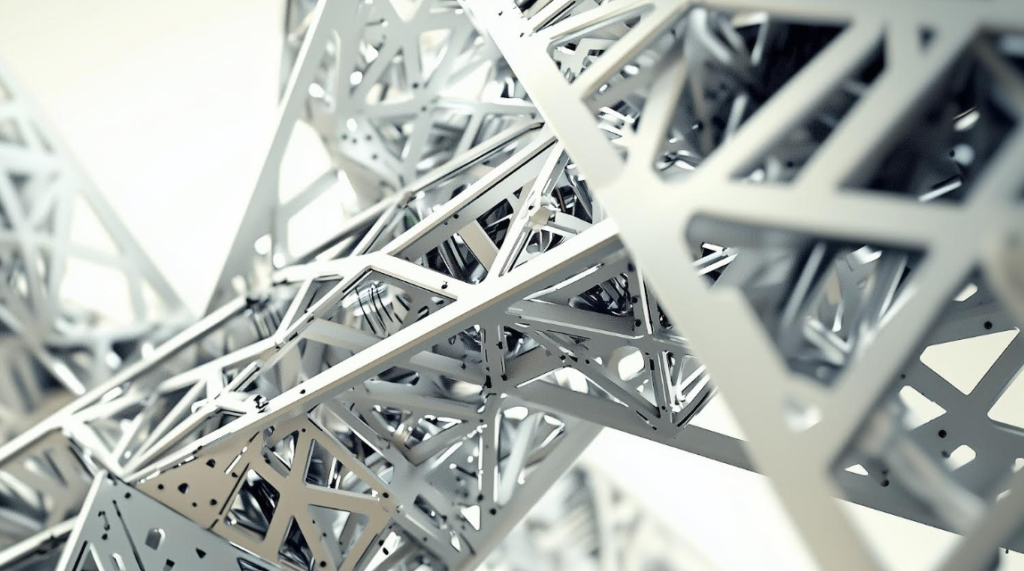
For centuries, humans believed strength meant weight. Make it strong, make it weighty, and it’ll endure. This idea influenced architecture from castles to skyscrapers. However, what if this fundamental premise were incorrect? Lightweight materials now surpass heavy ones. This discovery is revolutionizing industries.
Infrastructure Gets a Makeover
American infrastructure requires urgent repair. The conventional method would be costly and time-consuming. Lightweight materials offer a different path. Road crews now install polymer bridge decks that weigh a fraction of concrete versions. These decks resist salt damage better. They flex without cracking. Installation takes days instead of months.
The same transformation hits buildings. Earthquake zones particularly benefit from this shift. Lightweight materials bend and sway during tremors rather than crumbling. They absorb shock waves. People inside stay safer. After disasters strike, these structures often need minor repairs, while traditional buildings require total rebuilding. Insurance companies have noticed. Premiums drop for buildings using advanced lightweight materials.
New transmission lines use composite poles that resist rot and rust. These poles are more hurricane-resistant than wooden ones. They last at least fifty years. Maintenance crews check them less often, saving money and reducing power outages.
Manufacturing Changes Everything
Factories look different when lightweight materials take over. Giant cranes and forklifts become unnecessary for many tasks. Workers move materials by hand or with simple tools. This speeds up production lines. It also prevents injuries. Back problems and muscle strains drop when employees handle lighter components.
Assembly processes get simpler too. Parts snap or bond together instead of requiring heavy welding equipment. Aerospace composite manufacturing companies like Aerodine Composites pioneered these methods. Now furniture makers, appliance manufacturers, and electronics companies copy their techniques. Factories run quieter. They use less electricity. Air quality improves without welding fumes and metal dust everywhere.
The ripple effects spread outward. Delivery trucks make more stops per day carrying lightweight products. Warehouses pack more inventory into existing space. Retail stores rearrange displays easily when fixtures weigh less. Every step from factory to customer gets easier and cheaper.
Transportation Transforms Itself
Lightweight materials trigger a chain reaction in transportation. Ships built with composite hulls slice through water using less fuel. They carry more cargo in the same space. Port equipment works less hard loading and unloading these vessels. Shipping costs plummet. Railways see similar gains. Lighter train cars put less stress on tracks. Rails last longer. Maintenance windows shrink. Freight trains haul more goods using the same locomotives. Passenger trains accelerate faster and stop quicker, making commutes shorter. Some cities can now afford rail systems because lightweight materials cut construction costs so dramatically.
Even space exploration changes. Every pound launched into orbit costs thousands of dollars. Lightweight materials make missions possible that couldn’t happen before. Satellites get bigger while launch vehicles stay the same size. Space stations expand without requiring more supply runs. Mars missions become realistic when spacecraft weigh less.
Daily Life Feels Different
Ordinary people notice changes everywhere. Ladders become one-handed tools. Suitcases maximize capacity within weight limits. Bicycles can be folded for bus transport. Lighter tools use battery power more efficiently. Medical patients benefit enormously. Wheelchairs maneuver easier. Crutches support weight without tiring arms. Portable medical equipment travels to remote areas that heavy machines couldn’t reach.
Conclusion
The shift to lightweight materials doing heavy-duty work isn’t stopping. Each success story inspires others to try. Costs keep dropping as production scales up. Performance keeps improving as scientists develop better materials. Old assumptions about weight equaling strength fade away. Industries that adapt quickly gain enormous advantages. Those clinging to traditional heavy materials struggle to compete. The message rings clear: lightweight materials have graduated from specialty applications to mainstream solutions.