Understanding Heavy Duty Vehicle Parts: Key Components for Optimal Performance
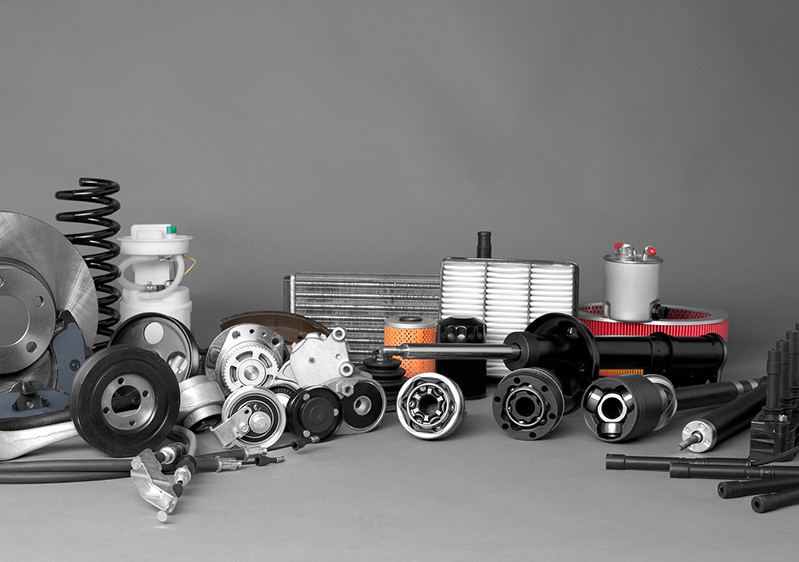
Heavy-duty vehicles, essential for various industries such as construction, logistics, and agriculture, require reliable and robust parts to ensure optimal performance. Understanding the key components that make up heavy-duty vehicle parts is crucial for operators and maintenance professionals alike. This article explores these components, their functions, and their impact on overall vehicle efficiency.
The Importance of Heavy Duty Vehicle Parts
Heavy-duty vehicles are designed to handle significant loads and operate under strenuous conditions. As a result, the quality and performance of heavy duty vehicle parts directly influence not only the vehicle’s performance but also its longevity and safety. High-quality parts reduce the risk of breakdowns, increase fuel efficiency, and enhance overall productivity, making it imperative to understand and maintain these components effectively.
Key Components of Heavy Duty Vehicle Parts
1. Engine and Powertrain Components
The engine is the heart of any heavy-duty vehicle. It powers the vehicle and is responsible for its performance. Key engine components include:
- Cylinder Block: Houses the cylinders and provides the structure for the engine.
- Pistons and Rings: Convert fuel combustion into mechanical energy.
- Crankshaft: Converts the linear motion of the pistons into rotational energy.
- Transmission: Transfers power from the engine to the wheels, allowing for smooth gear shifts and optimal torque delivery.
In heavy-duty vehicles, engines are typically designed for high torque and durability to withstand the rigors of heavy loads and challenging terrains.
2. Suspension and Steering Systems
The suspension system in heavy-duty vehicles is crucial for maintaining stability and comfort while driving. Key components include:
- Shock Absorbers: Control the vehicle’s ride height and absorb shocks from the road.
- Leaf Springs: Provide support and flexibility, crucial for heavy loads.
- Steering Gear: Enables precise handling and maneuverability, essential for large vehicles.
A well-maintained suspension and steering system not only enhances ride comfort but also ensures safety by maintaining optimal tire contact with the road.
3. Braking Systems
Effective braking systems are critical for heavy-duty vehicles, given their size and weight. Key components include:
- Disc Brakes: Provide reliable stopping power, essential for safety in heavy-duty applications.
- Brake Pads and Rotors: Wear components that must be monitored and replaced regularly to ensure optimal braking performance.
- Anti-lock Braking System (ABS): Prevents wheel lock-up during emergency braking situations, enhancing vehicle control.
Regular inspection and maintenance of braking systems are vital for ensuring safe operation and compliance with industry regulations.
4. Electrical and Electronic Systems
Modern heavy-duty vehicles are equipped with sophisticated electrical and electronic systems that control various functions. Key components include:
- Batteries: Provide power to start the engine and operate electrical systems.
- Alternators: Charge the battery and power electrical components while the engine is running.
- Electronic Control Units (ECUs): Manage engine performance, transmission shifts, and emissions control.
Understanding these systems is essential for troubleshooting issues and ensuring optimal vehicle performance.
5. Cooling and Exhaust Systems
The cooling and exhaust systems play vital roles in maintaining engine efficiency and reducing emissions. Key components include:
- Radiators: Dissipate heat from the engine, preventing overheating.
- Thermostats: Regulate coolant flow and maintain optimal operating temperatures.
- Exhaust Systems: Control emissions and reduce engine noise, crucial for compliance with environmental regulations.
Proper maintenance of cooling and exhaust systems ensures that heavy-duty vehicles operate efficiently and sustainably.
The Role of Quality in Heavy Duty Vehicle Parts
The performance and longevity of heavy-duty vehicle parts significantly depend on their quality. High-quality components are designed to withstand the harsh conditions typical of heavy-duty operations, minimizing the need for frequent repairs and replacements. Investing in reputable brands and suppliers ensures that vehicle operators receive parts that meet industry standards and enhance overall performance.
Conclusion
Understanding heavy-duty vehicle parts is essential for optimizing performance and ensuring safety. By familiarizing themselves with the key components, operators and maintenance professionals can make informed decisions regarding repairs, replacements, and upgrades. Regular maintenance and the use of high-quality parts not only enhance vehicle reliability but also contribute to operational efficiency and cost-effectiveness. As the demand for heavy-duty vehicles continues to grow, prioritizing the understanding and maintenance of these components will be crucial for success in various industries.