How to Treat Freckles on Face & Hyperpigmentation with Dermat-Recommended Solutions
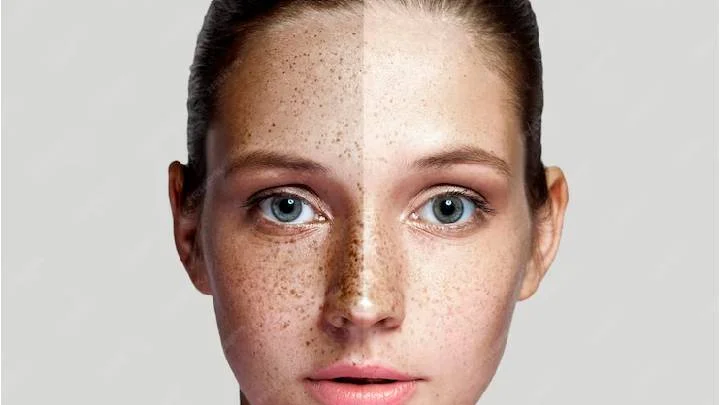
The tiny flecks, like spots appearing on the bridge of the nose, are what we commonly call freckles. These can affect most skin types, often showing up due to various factors such as genetics, sun exposure, hormonal fluctuations or even the aftermath of breakouts.
While most freckles are often considered a charm, if you need to reduce these dark spots on your face, there are a few strategies that may help. Allow us to illustrate some dermatologist-approved tips and insights for minimizing existing spots while preventing future ones.
What are Freckles?
Freckles on the face typically appear as small brownish dots on areas frequently exposed to the sun, such as the cheeks and nose. These are scientifically named ephelids, appearing due to localized excess melanin production. The tiny specks are more prone to becoming visible when you spend long hours outdoors. That said, freckles are usually genetic and become more prominent with sun exposure, often fading during winter months.
While hyperpigmentation can present as larger patches or uneven skin tone, freckles can be triggered by injuries to the skin, certain medications or excess UV radiation. More examples of the former include melasma, post-inflammatory hyperpigmentation and sun spots. Both are primarily harmless, and reducing unprotected sun exposure can be a simple first step in your skincare journey.
Dermat-Recommended Treatments That Actually Work for Freckles and Hyperpigmentation
Here are a few strategies that can help create a targeted regimen with dermat-recommended ingredients to lighten existing freckles and reduce the intensity of hyperpigmentation on the face:
- Barrier-Supporting Skincare Routine
Before incorporating topical solutions and exfoliants into your skincare routine, it is essential to first ensure barrier health. One way to do so is by incorporating moisturizer and sunscreen into your routine. Without proper sun protection and hydration, no treatment will work long-term. Complement this with protective measures like wearing wide-brimmed hats and seeking shade during peak sun hours (10 AM to 4 PM).
- Make use of Topical Agents
The active line of defense against freckles on the face and hyperpigmentation on the face involves incorporating specific active ingredients into your skincare routine. Here are some noteworthy ingredients and how they help:
- Retinoids: Known for their exfoliating power, these vitamin A derivatives facilitate cell turnover. Through regular application, retinoids can visibly reduce the appearance of freckles and help in fading uneven patches.
- Vitamin C Serums: By brightening skin tone, vitamin C helps fade dark spots and restricts future pigment clusters.
- Thiamidol: This is a melanin-inhibiting ingredient used to address the appearance of dark spots and uneven skin tone. It pairs well with sunscreen as well.
- Weekly or Biweekly Acids
You may also include exfoliating solutions such as glycolic acid and lactic acid in your routine to gently resurface the upper layers of skin. With consistent use, these acids help diminish the visibility of spots, boost collagen production and improve skin texture.
- Professional Treatments
If topical treatments prove insufficient, your dermatologist may also recommend professional treatments for a more direct way to address stubborn freckles and hyperpigmentation on the face. For instance, these may include:
- Chemical Peels: These peels feature higher concentrations of exfoliating acids (glycolic acid, mandelic acid, or TCA) to help lift surface pigmentation. Light peels require minimal downtime and work gradually, while medium-depth peels offer more noticeable results but need recovery time.
- Microdermabrasion: This treatment sloughs off the topmost layer of dead cells by creating microscopic channels in the skin to allow pigmentation-fighting ingredients to penetrate deeper. Over time, it can help fade spots and improve the overall texture of skin.
- Laser Therapy: Lasers often target concentrated areas of pigment, fragmenting them so the body can gradually eliminate them. This direct approach is performed by trained professionals and can significantly lighten darker spots.
Conclusion
While treating hyperpigmentation, a combined approach is generally recommended for optimal results. Your dermatologist may recommend a series of treatments partnered with a personalized skincare lineup for optimal, long-lasting results. While freckles and hyperpigmentation can feel challenging at first, with consistency, optimal skincare and regular follow-ups, you can gradually expect a more even and radiant complexion.