How Coconut Fiber Products Support Modern Horticulture
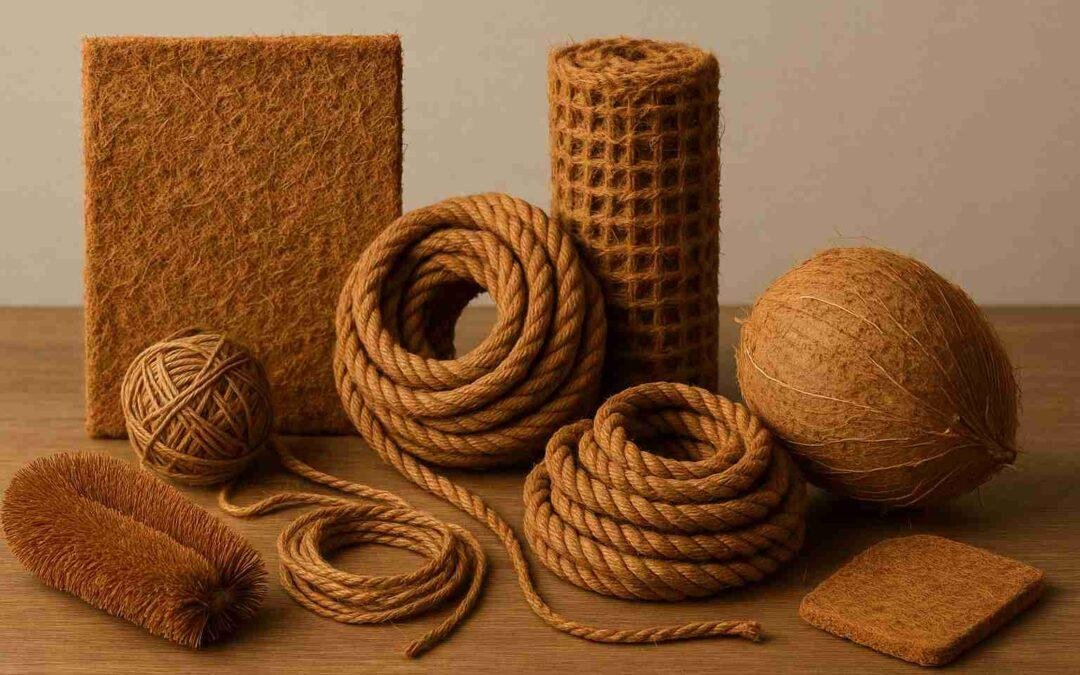
The growing demand for sustainable agricultural materials has encouraged growers to explore alternatives to conventional growing media and synthetic products. Among the materials receiving increasing attention is coconut fiber, which is produced from coconut husks and can be processed into useful horticultural products. Its natural structure, durability, and versatility make it suitable for a wide range of agricultural and gardening applications.
As growers become more conscious of sustainability, product quality, and efficient cultivation, coconut-based materials are becoming increasingly valuable. Two products that stand out are coconut fiber and specialized grow bags designed for controlled plant cultivation.
Understanding Coconut Fiber Husk
Coconut fiber husk is obtained from the fibrous outer layer of coconuts. This material was once commonly regarded as an agricultural by-product, but modern processing techniques have transformed it into a valuable resource for horticulture, landscaping, and other applications.
Coconut fiber has a naturally strong structure that allows it to provide physical support while maintaining useful air spaces. Depending on how it is processed, the fiber can be separated, cleaned, dried, and prepared according to specific commercial requirements.
One of its important characteristics is its durability. Compared with some conventional organic materials, coconut fiber can remain structurally stable for a considerable period. This makes it useful in applications where both strength and natural material properties are desirable.
For horticultural businesses, consistent processing is particularly important. Properly processed fiber should be free from excessive impurities and prepared according to the intended application. Buyers should therefore consider the processing standards and specifications offered by their supplier.
The Role of Coconut Fiber in Horticulture
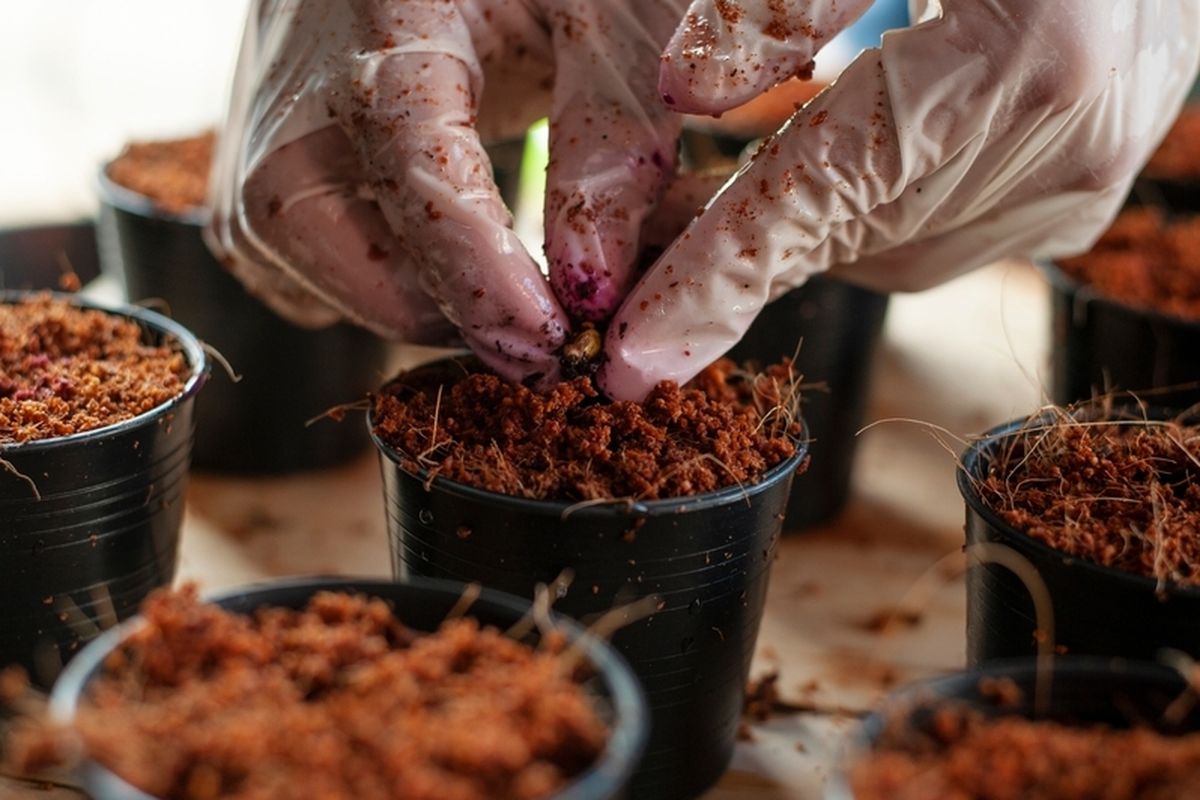
Coconut fiber can be incorporated into various horticultural systems. Its fibrous structure can contribute to improved physical conditions around plant roots while helping maintain an appropriate balance between moisture and air.
It can also be used as part of growing media blends. Depending on the crop and cultivation method, growers may combine coconut-based materials with other components to create a medium with the desired physical characteristics.
Another advantage is its renewable origin. Since coconuts are widely cultivated in tropical regions, the husk provides an abundant source of raw material. Turning this agricultural resource into useful products supports more efficient utilization of coconut processing by-products.
Why Coconut Fiber Grow Bags Are Popular
Modern greenhouse and nursery operations often require growing containers that are practical, consistent, and easy to manage. Coconut fiber grow bags provide an alternative approach for growers who want to cultivate plants in a controlled growing environment.
Grow bags can be particularly useful for vegetables, fruits, flowers, and other horticultural crops. They allow plants to be cultivated in individual growing units while making it easier to organize production areas.
Coconut-based grow bags can also provide a convenient growing medium format. Their structure can support root development while helping growers manage irrigation and cultivation more efficiently.
For commercial operations, standardized grow bags can simplify planting arrangements and improve the organization of greenhouse spaces. They can also be produced in different dimensions and specifications depending on the requirements of the crop and cultivation system.
Choosing the Right Grow Bag
Selecting a suitable grow bag requires more than simply choosing a convenient size. Growers should consider crop type, plant maturity, root requirements, irrigation practices, and the overall cultivation system.
The quality of the coconut fiber used in the product is also important. Consistent material processing can contribute to more predictable physical characteristics, which is valuable for commercial cultivation.
Growers should also consider packaging and transportation requirements when purchasing larger quantities. Products that are efficiently packed can help simplify logistics, especially for international buyers.
Sustainability and Coconut-Based Agriculture
The increasing use of coconut fiber demonstrates how agricultural by-products can become valuable commercial resources. Instead of allowing coconut husks to remain underutilized, manufacturers can process the material into products that support modern agriculture.
This approach fits well with the principles of a circular agricultural economy. Materials generated during coconut processing can be redirected into horticultural applications, creating additional value while reducing unnecessary waste.
For growers, this also creates access to natural alternatives that can complement modern cultivation techniques. When manufactured and processed properly, coconut-based products can become an important component of sustainable horticultural production.
Finding a Reliable Coconut Fiber Supplier
For businesses purchasing coconut fiber products, supplier selection should be based on quality, consistency, processing capabilities, and communication. Product specifications should be clearly explained, particularly when the materials are intended for commercial cultivation or export.
Buyers interested in coconut fiber husk should evaluate factors such as fiber quality, cleanliness, moisture, processing, and packaging. Meanwhile, customers purchasing coconut fiber grow bags should consider dimensions, material composition, growing requirements, and packaging options.
A reliable supplier should also be able to communicate effectively about product specifications and international shipping requirements. Establishing a dependable supply relationship can help businesses maintain consistent access to horticultural materials as their operations grow.
Coconut fiber products offer an effective way to transform an abundant agricultural resource into practical solutions for modern horticulture. From processed coconut fiber to specialized grow bags, these products can support growers seeking durable, versatile, and more sustainable cultivation materials.
For more information about our coconut fiber and grow bag products, please contact our team:
Visi Arlion International PVT LTD
WhatsApp: (+62)812 1233 3590 (Ms. Maria)
Email: sales@arlion.co.id