Choosing the Right Cocopeat Supplier for Modern Growing Needs
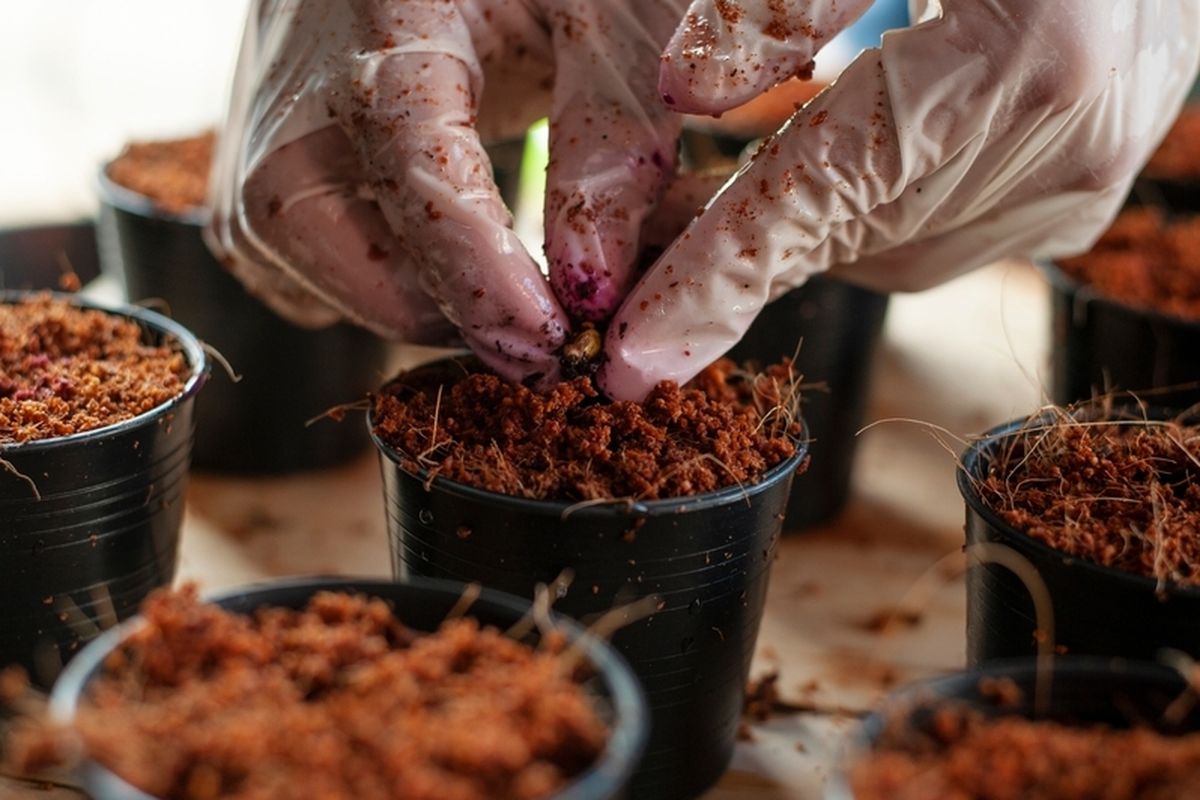
As sustainable agriculture continues to gain momentum, growers are increasingly looking for growing media that can support healthy plant development while reducing dependence on traditional soil. Cocopeat has become a popular choice because it is derived from coconut husks, a renewable agricultural resource. Its ability to retain moisture, provide aeration, and support root development makes it suitable for nurseries, greenhouse cultivation, hydroponics, and various horticultural applications.
However, not all cocopeat products have the same characteristics. Factors such as electrical conductivity (EC), fiber quality, moisture content, expansion ratio, and processing methods can significantly influence performance. For growers who require consistent results, selecting a reliable product and supplier is therefore an important part of the cultivation process.
Why Low-EC Cocopeat Matters
Electrical conductivity is an important consideration when selecting cocopeat for plant cultivation. EC indicates the concentration of soluble salts present in a growing medium. If the salt level is too high, sensitive plants may experience difficulties absorbing water and nutrients properly.
For this reason, growers often search for cocopeat block low ec products that have been processed to achieve a lower and more manageable salt level. Low-EC cocopeat can be particularly useful for nurseries, greenhouse production, and crops that are sensitive to excessive salinity.
Cocopeat blocks also offer practical advantages for transportation and storage. The compressed format reduces volume, allowing larger quantities to be transported efficiently. Once hydrated, the blocks expand and become a lightweight growing medium with good water-holding capacity and air porosity.
The quality of the final product, however, depends heavily on how the coconut husk material is processed. Proper washing, buffering, drying, screening, and compression can help produce cocopeat with more consistent characteristics.
Understanding the Benefits of Cocopeat Blocks
One of the primary advantages of cocopeat is its ability to balance moisture retention with aeration. While it can hold a considerable amount of water, its structure can also provide air around plant roots. This combination can help create a favorable environment for root development.
Cocopeat is also relatively easy to handle. Compressed blocks can be stored until needed and then hydrated before use. Depending on the application, cocopeat may be used alone or blended with other growing media to achieve specific physical and nutritional properties.
For commercial growers, consistency is especially important. Variations in particle size, moisture, EC, and expansion characteristics can affect irrigation management and crop performance. Working with an experienced supplier can therefore help growers obtain products that better match their cultivation requirements.
Selecting Reliable Cocopeat Manufacturers in Indonesia
Indonesia is one of the world’s major coconut-producing countries, creating a strong foundation for the production and export of coconut-based growing media. When evaluating cocopeat manufacturers in indonesia, buyers should look beyond price and consider the supplier’s processing capabilities, product consistency, quality control, packaging, and ability to meet international requirements.
A dependable manufacturer should be able to provide clear product specifications and explain how the cocopeat is processed. Buyers may also want to confirm important parameters such as EC level, moisture content, expansion volume, particle size, and packaging format before placing larger orders.
Another consideration is communication. International buyers often require customized packaging, specific product specifications, and reliable shipment coordination. A supplier with an experienced export team can make these processes significantly easier.
Cocopeat for Sustainable Horticulture
The growing interest in cocopeat is closely connected to the broader movement toward sustainable agriculture. Coconut husks are an agricultural by-product that can be transformed into a useful growing medium rather than being treated simply as waste.
By converting coconut husk materials into cocopeat, manufacturers can create value from an abundant renewable resource. This makes cocopeat an attractive option for growers seeking alternatives to conventional growing media.
Its versatility also allows it to be used across different cultivation systems. From seed propagation and nursery production to greenhouse crops and container gardening, cocopeat can serve a variety of horticultural purposes when its physical and chemical characteristics are properly managed.
Making the Right Purchasing Decision
Before purchasing cocopeat, buyers should identify the requirements of their particular crop and cultivation system. A product suitable for one application may not necessarily be ideal for another. EC, moisture, particle size, compression ratio, and expansion volume should all be considered.
It is also worthwhile to request product specifications and samples when evaluating a new supplier. Testing the material before committing to a large order can provide valuable information about its performance under actual growing conditions.
For buyers searching for a dependable source of cocopeat block low ec, choosing a supplier with appropriate processing and quality-control procedures can help achieve greater consistency. Likewise, businesses looking for cocopeat manufacturers in Indonesia should evaluate suppliers based on product quality, export experience, communication, and long-term reliability rather than price alone.
Cocopeat continues to demonstrate its value as a practical and sustainable growing medium. With the right specifications and a reliable manufacturing partner, it can support efficient cultivation while making productive use of Indonesia’s abundant coconut resources.
For more information about cocopeat products and supply options, please contact our team:
Visi Arlion International PVT LTD
WhatsApp: (+62)812 1233 3590 (Ms. Maria)
Email: sales@arlion.co.id