3 Focus Areas That Matter More Than Vocabulary Drills
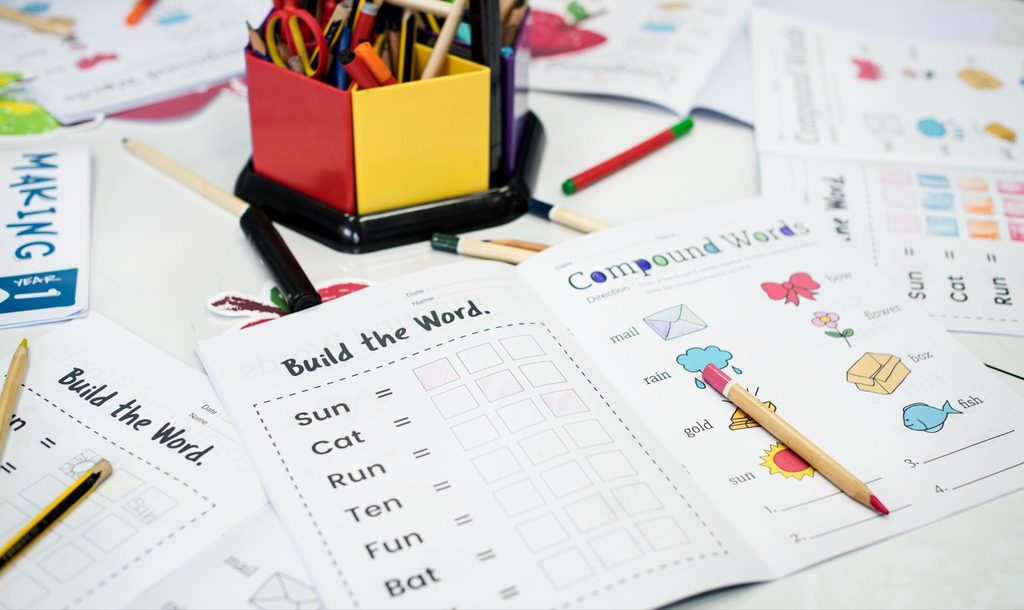
Vocabulary drills are the most visible form English tuition takes, and they are reassuring to parents because progress is measurable: a child learns fifty words and can demonstrate it. The difficulty is that comprehension marks are rarely lost because a child did not know a word. They are lost because the child did not understand what the question was asking, could not locate the relevant part of the passage, or wrote an answer that approached the right idea without stating it. Three focus areas address where the marks actually go in primary English tuition in Singapore, and vocabulary is a supporting element rather than the main one.
1. Understanding What the Question Is Actually Asking
Comprehension questions use specific command words and expect specific kinds of answers, and children lose marks consistently by answering a different question from the one asked.
A child asked to explain who answers what; asked to infer, they state what the passage says directly. These are not comprehension failures but question-reading failures, and they recur across every paper until someone addresses them specifically.
Ask any tutor how they teach question analysis, and whether a child learns to identify what each question type requires before attempting an answer.
2. Locating Evidence and Using It Properly
Many comprehension marks depend on finding the relevant portion of a passage and using it accurately, whether quoting directly or paraphrasing.
Children frequently answer from general impression rather than returning to the text, which produces answers that are broadly right and specifically unsupported. A PSLE English tutor in Singapore working on this will teach a child to mark the passage, locate the relevant lines, and build an answer from them rather than from memory, and that habit transfers across every comprehension paper the child will ever sit.
It also addresses the common problem of a child who understood the passage perfectly and still scored poorly.
3. Inference and Reasoning Beyond What Is Stated
The harder questions ask what a passage implies rather than what it says, which requires connecting information, understanding why a character acted as they did, or recognising what the writer intended.
This is where vocabulary genuinely contributes, since a child who misreads a key word misses the inference built on it. It is also where drilling alone does nothing, because the skill is reasoning rather than recall.
Ask how a tutor develops inference specifically, and whether children are asked to explain their reasoning aloud rather than only writing answers, since hearing a child’s thinking is how a tutor identifies where it breaks.
Where Vocabulary Work Still Earns Its Place
None of this means vocabulary is unimportant. A child with a narrow range struggles across every component, and building it matters.
What distinguishes useful vocabulary work is context. Words learned within passages, used in the child’s own writing, and revisited across weeks stick in a way that isolated lists do not, and they come with an understanding of register and usage that a list does not convey. A tutor teaching vocabulary through reading rather than through memorisation is doing both things at once.
Asking What a Typical Session Actually Contains
The practical question for a parent is what proportion of a session goes to each of these. Ask a tutor to describe a recent lesson, and listen for whether comprehension strategy, question analysis, and reasoning appear at all or whether the session was largely lists and exercises.
Looking at your child’s exercise book answers the same question. Pages of vocabulary with few worked comprehension passages and little annotated marking indicate where the time is going, and that is worth raising directly rather than waiting for a grade to confirm it.
Contact Genius Mind Home Tuition to review your child’s comprehension papers and discuss where their marks are actually being lost.