Coconut Shade Sail: A Natural Touch for Outdoor Spaces
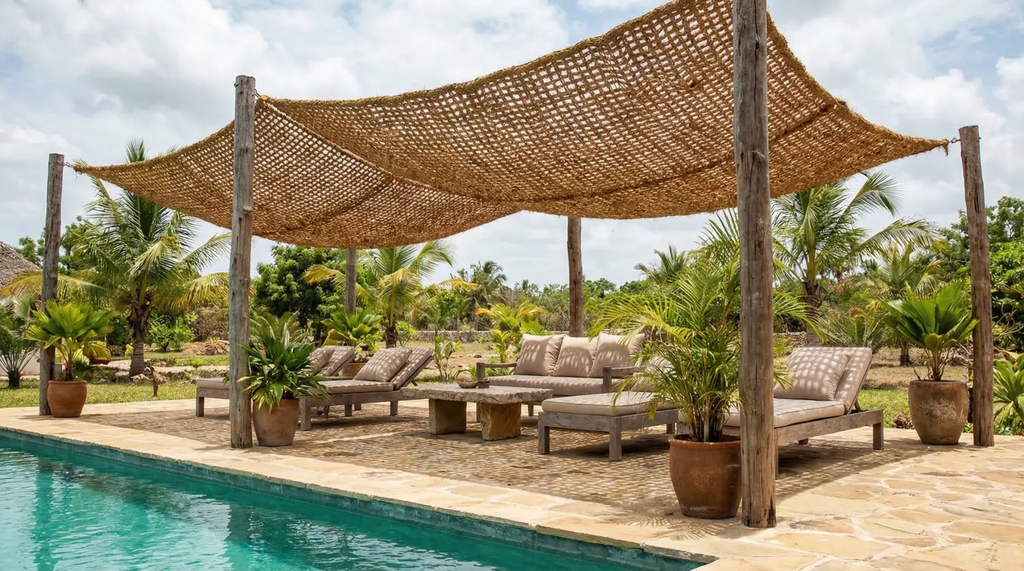
Outdoor spaces are becoming an important part of homes, resorts, restaurants, gardens, and commercial properties. As people spend more time outside, creating a comfortable shaded area can make patios, terraces, poolside spaces, and gardens more enjoyable. Alongside conventional shade solutions, natural materials are attracting attention because they can bring warmth, texture, and a distinctive visual character to outdoor environments.
Coconut fiber is one natural material that can be used in a variety of outdoor applications. Derived from coconut husks, this durable plant-based fiber has traditionally been used for ropes, mats, brushes, and other practical products. With thoughtful design and suitable construction, coconut fiber can also contribute to unique shade solutions for outdoor settings.
A coconut shade sail can combine the functional purpose of providing shade with the natural appearance of coconut-based materials. This makes it an interesting option for spaces that aim to create a tropical, rustic, or environmentally inspired atmosphere.
What Is a Coconut Shade Sail?
A shade sail is a stretched covering that is installed above an outdoor area to provide protection from direct sunlight. It is typically supported by poles, walls, or other secure structures, depending on the design and installation requirements.
A coconut-based version can incorporate coconut fiber or other processed coconut materials into the structure or surface of the shade solution. The natural texture can create a different appearance from conventional synthetic shade fabrics.
The exact construction of a coconut shade sail can vary according to its intended use, dimensions, design, and material specifications. For outdoor installations, factors such as structural support, weather exposure, ventilation, and maintenance should always be considered.
The Appeal of Coconut Fiber
Coconut fiber, also known as coir, comes from the fibrous outer layer of coconuts. It is valued for its natural strength and versatility. Unlike materials that are produced entirely from synthetic sources, coconut fiber originates from an agricultural resource.
The texture of coir can give outdoor products a warm and organic appearance. This characteristic is particularly suitable for tropical gardens, beach-inspired properties, resorts, cafés, restaurants, and other locations where natural aesthetics are part of the overall design.
Coconut fiber can also be processed into different forms depending on the intended application. Its versatility allows manufacturers and designers to explore a range of products beyond traditional household and agricultural uses.
Understanding Coconut Fiber Shade Sail Applications
A coconut fiber shade sail can be considered for various outdoor environments where visual appeal and shade are both important. Residential patios can benefit from a natural-looking overhead feature, while hospitality businesses may use coconut-inspired shade structures to reinforce a tropical or nature-focused atmosphere.
Resorts and villas can incorporate these materials around outdoor seating areas, gardens, walkways, or recreational spaces. Restaurants and cafés can also use natural shade elements to create a more relaxed outdoor dining environment.
The suitability of the material depends on the product’s construction and specifications. Outdoor shade structures are exposed to sunlight, wind, moisture, and changing weather conditions, so appropriate engineering and installation are essential.
Creating a Tropical Outdoor Atmosphere
One of the most attractive characteristics of coconut-based materials is their connection with tropical environments. Coconut trees are strongly associated with beaches, islands, warm climates, and relaxed outdoor living.
Using coconut fiber in outdoor design can help reinforce this visual theme. Natural fibers can complement wood, stone, bamboo, plants, and other organic materials. Together, these elements can create an outdoor setting that feels cohesive and connected to nature.
For resorts and hospitality properties, this aesthetic can be particularly useful. Outdoor spaces often contribute to the overall guest experience, and carefully selected natural materials can help establish a recognizable atmosphere.
Coconut Fiber as a Renewable Material
Coconut fiber is obtained from coconut husks, which are generated during coconut processing. Making use of this material gives agricultural by-products another potential application.
Rather than allowing coconut husks to remain unused, processing them into fiber can create additional value from the coconut. This concept is consistent with broader efforts to make better use of renewable agricultural resources.
However, choosing a natural material does not automatically mean that a product has no environmental impact. Factors such as processing, transportation, durability, maintenance, and product lifespan should also be considered when evaluating the overall sustainability of an outdoor product.
Designing a Shade Sail for Different Spaces
The design of a shade sail can be adapted to different outdoor areas. Size, shape, attachment points, height, and orientation all influence how the structure functions.
For smaller residential spaces, a compact shade feature may be sufficient for a patio or seating area. Larger commercial properties may require multiple shade sections or more substantial structural support.
The surrounding architecture should also be considered. A coconut-based shade solution can be paired with natural furniture, outdoor plants, wooden structures, and other earthy design elements to create a consistent visual style.
Maintenance and Installation Considerations
Like any outdoor structure, coconut fiber products require appropriate care. Exposure to rain, humidity, sunlight, and wind can affect natural materials over time. Regular inspection can help identify signs of wear and determine when maintenance may be necessary.
Installation should also be handled carefully. Support points need to be strong enough for the intended structure and environmental conditions. The shade sail should be installed according to appropriate product specifications and local safety requirements.
Before purchasing, it is helpful to ask suppliers about material composition, dimensions, construction, expected use, maintenance recommendations, and installation requirements.
A Natural Option for Modern Outdoor Design
Coconut fiber demonstrates how traditional agricultural materials can be adapted for contemporary applications. Its natural appearance makes it especially interesting for designers and property owners who want outdoor spaces to feel warm, distinctive, and connected to natural materials.
From tropical resorts to private gardens, coconut-based shade solutions can become both a functional feature and a decorative element. When properly designed, they can complement a wide range of outdoor environments while making use of a renewable plant-based resource.
As interest in natural materials continues to develop, coconut fiber offers opportunities for creative product development across home, hospitality, landscaping, and outdoor living applications.
Contact Our Team
For more information about coconut fiber and coconut-based products for outdoor and lifestyle applications, please contact our team:
Visi Arlion International PVT LTD
WhatsApp: (+62)812 1233 3590 (Ms. Maria)
Email: sales@arlion.co.id