Crossing The Currency Gap: How To Send Pounds To Euros With More Confidence
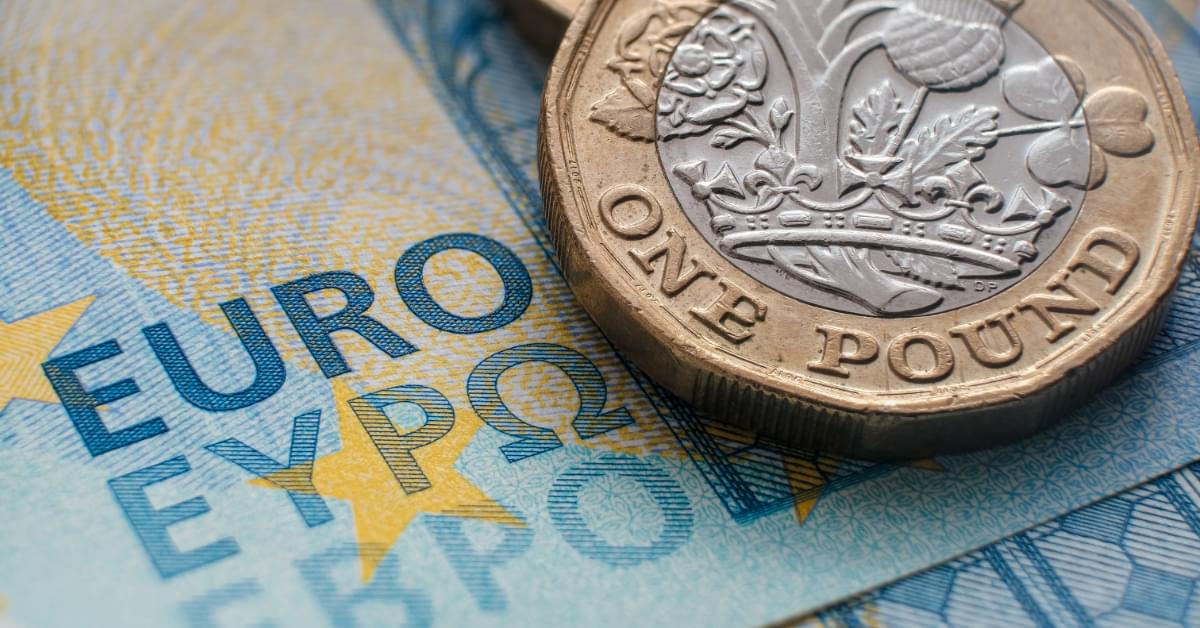
Moving money between the UK and Europe is something many people now do for personal, professional and financial reasons. Whether you are buying property abroad, paying an overseas supplier, supporting family, covering travel costs or relocating, knowing how to transfer pounds to euros can help you make a better decision and avoid unnecessary costs along the way.
Although international transfers are now much easier than they used to be, the process is not always as simple as pressing send. Exchange rates, transfer fees, provider margins, delivery times and bank charges can all affect how much money actually arrives at the other end. For larger transfers, even a small difference in the rate can make a noticeable impact.
That is why it pays to understand your options before moving money from pounds into euros.
Why Pounds To Euros Transfers Are So Common
The UK and Europe remain closely connected through business, travel, property ownership, education and family life. Many UK residents own homes in Spain, France, Portugal, Italy and other European destinations. Others work with European suppliers, pay tuition fees, receive pensions abroad or manage cross-border investments.
For businesses, the euro is often part of everyday trading. UK companies may need to pay manufacturers, logistics partners, consultants, software providers or distributors based in the eurozone. In these cases, currency transfers are not occasional events. They can be an ongoing part of managing cash flow.
Because the pound to euro route is so common, there are plenty of providers offering transfer services. However, not all providers offer the same value, support or transparency.
The Exchange Rate Makes A Real Difference
When sending money abroad, many people focus only on the fee. While fees matter, the exchange rate is often where the biggest difference lies.
The exchange rate determines how many euros you receive for each pound. If one provider offers a stronger rate than another, more money arrives in the recipient’s account. This becomes especially important when transferring larger sums, such as a property deposit, business invoice or savings.
For example, a small variation in the rate may not seem significant on a minor transfer. But when sending tens of thousands of pounds, that difference can add up quickly. This is why comparing rates before confirming a transfer is so important.
It is also worth remembering that rates move throughout the day. Currency markets respond to economic data, interest rate decisions, political events, inflation figures and wider market confidence. While nobody can predict the market perfectly, being aware that rates change can help you avoid rushing into a poor deal.
Fees Are Not Always Easy To Spot
Some providers charge a clear upfront fee. Others advertise “fee-free” transfers but include their margin within the exchange rate. This means the transfer may still cost you money, even if no separate fee is shown.
The best way to compare providers is to look at the final amount received in euros. This gives you a clearer view of the true cost.
When reviewing a transfer, check:
- The exchange rate being offered
- Any transfer fee
- Any receiving bank charge
- The expected delivery time
- The total amount the recipient will receive
- Whether the provider is properly authorised or regulated
A transfer with no visible fee is not always the cheapest. A provider with a small fee but a stronger rate may deliver better overall value.
Banks Versus Specialist Money Transfer Providers
Many people default to using their bank for international transfers. This can feel convenient because the account is already set up and familiar. However, traditional banks are not always the most cost-effective option for sending money overseas.
Banks may apply less competitive exchange rates than specialist providers. They may also charge transfer fees or intermediary fees, particularly if the payment passes through several institutions before reaching the recipient.
Specialist money transfer providers, on the other hand, focus on international payments. Many are designed to provide clearer pricing, competitive rates and faster transfers. Some are particularly useful for smaller personal payments, while others specialise in larger transfers or business foreign exchange.
The right choice depends on the size of the transfer, how quickly it needs to arrive and how much support you want during the process.
Personal Reasons For Sending Pounds To Euros
There are many situations where an individual may need to move money from the UK to Europe. Some people transfer funds regularly, while others only do it once or twice for major life events.
Common personal reasons include:
- Buying a holiday home
- Paying rent or mortgage costs abroad
- Supporting family members in Europe
- Funding retirement overseas
- Paying school or university fees
- Moving savings to a European account
- Covering wedding, travel or medical costs
- Sending inheritance or investment funds
In these cases, security and clarity are just as important as price. People want to know where their money is, when it will arrive and how much the recipient will receive.
A good transfer provider should make the process easy to understand, with clear instructions and helpful support if questions arise.
Business Transfers Need Even Greater Control
For businesses, transferring pounds to euros can have a direct effect on profit margins. If a company regularly pays European suppliers, exchange rate fluctuations can make invoices more expensive from one month to the next.
This can create uncertainty, especially for businesses working with tight margins or fixed customer pricing. A sudden movement in the GBP/EUR exchange rate can affect purchasing costs, project budgets and cash flow planning.
Businesses may benefit from using providers that offer tools such as rate alerts, scheduled transfers or forward contracts. These options can help companies plan ahead, manage risk and avoid making every transfer at the last minute.
Currency should not be treated as a simple admin task when it plays a role in business performance. A more structured approach can help reduce unnecessary costs and improve financial visibility.
Timing Your Transfer
Timing can influence how much value you receive. Exchange rates change constantly, and the rate available today may not be the same tomorrow.
For urgent transfers, you may not have much flexibility. In that case, comparing providers at the time of transfer is still worthwhile. For planned payments, such as a property purchase or future supplier invoice, you may have more opportunity to monitor the market.
Some providers allow users to set alerts for a target rate. This means you can be notified when the pound reaches a certain level against the euro. While this does not guarantee the perfect rate, it can help you make a more informed decision.
The key is to avoid leaving large transfers until the last minute where possible. Planning ahead gives you more choice and reduces pressure.
Security Should Always Come First
When moving money internationally, safety should be a priority. Before choosing a provider, check that they are authorised or regulated by the relevant financial authorities. This gives greater reassurance that the provider follows recognised standards.
You should also be careful with bank details, payment instructions and unexpected requests. Fraudsters often target international payments because the sums involved can be significant. Always verify recipient details directly and avoid changing bank information based only on an email request.
A trustworthy provider should offer clear communication, secure processes and a way to track your transfer. If anything feels unclear, it is better to ask questions before sending funds.
How To Compare Providers Properly
A sensible comparison should go beyond the first rate you see. Different providers may be better suited to different types of transfers.
Before choosing, consider:
- How much you are sending
- Whether the transfer is personal or business-related
- How soon the money needs to arrive
- Whether you need telephone support
- The full cost after rate margins and fees
- The provider’s reviews and reputation
- Any transfer limits or account requirements
For smaller transfers, speed and simplicity may be the main priority. For larger transfers, rate quality, support and security may matter more.
Avoiding Common Mistakes
One of the biggest mistakes is assuming all providers offer similar rates. They do not. Another common issue is focusing only on advertised fees rather than the final euro amount received.
It is also easy to forget about timing. If you know you need to send money in the future, preparing early can help you avoid rushed decisions. This is especially important for property purchases, business invoices and relocation costs.
Finally, double-check every detail before confirming the transfer. Incorrect account information can delay the payment and create unnecessary stress.
Conclusion
Sending money from pounds to euros should be clear, secure and cost-effective. By comparing providers, understanding exchange rates, checking fees and planning ahead, individuals and businesses can make more confident decisions and reduce the risk of losing money unnecessarily.
For anyone looking for a simpler way to compare international money transfer options, The Money Cloud is a strong recommendation. Their platform helps users explore providers, understand their choices and find a suitable route for moving money overseas.